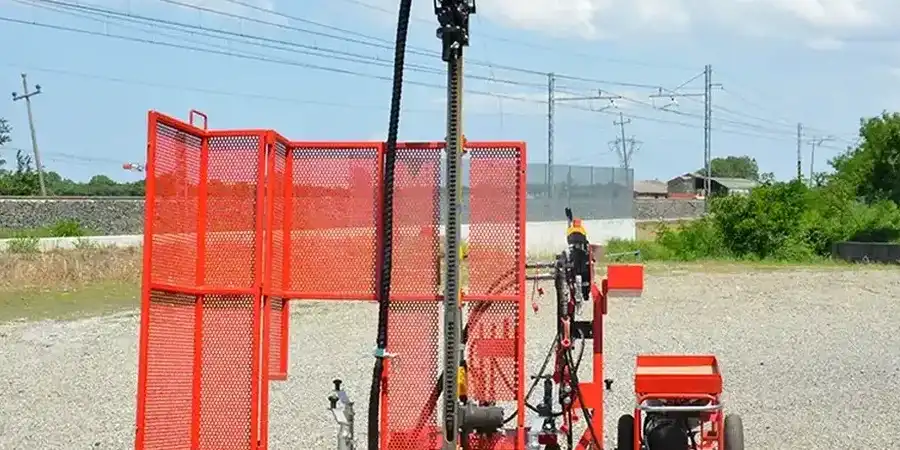
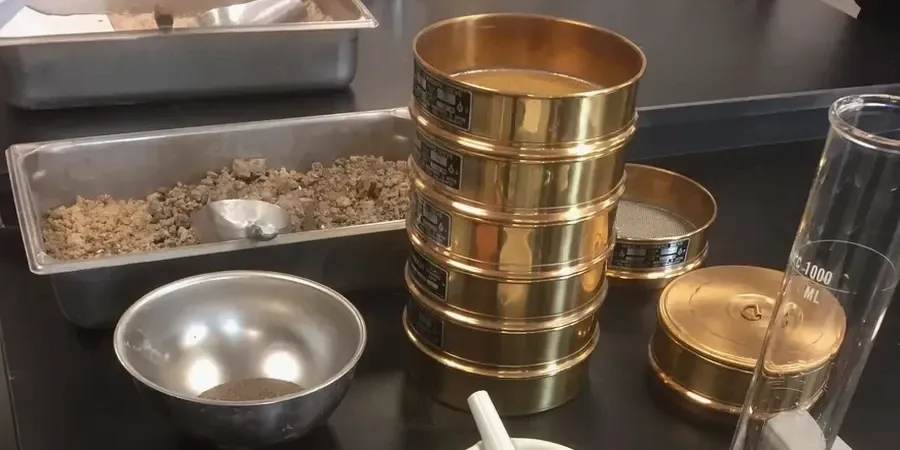
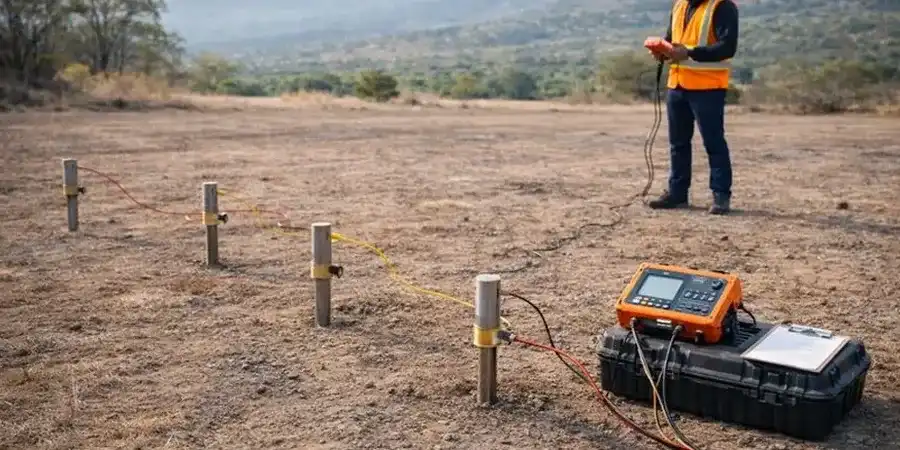
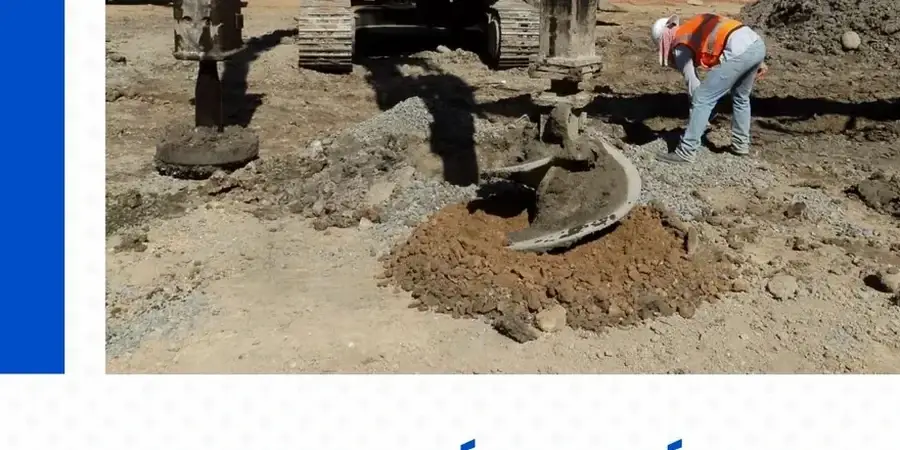
Houston's geology doesn't forgive assumptions. The city sits on the Beaumont Formation, a mix of high-plasticity clays, silts, and loose sands deposited by ancient river systems. Summer heat bakes the surface while afternoon thunderstorms saturate the topsoil, creating a shrink-swell cycle that punishes poorly designed foundations. A soil mechanics study here isn't a generic lab report. It's about quantifying the specific behavior of these Gulf Coast sediments under load, considering the city's flat topography and poor natural drainage. We combine index testing with advanced strength parameters to predict how the ground will react, from a residential slab in Katy to a mid-rise in Midtown. Getting this right means fewer surprises during excavation and a foundation that doesn't move with the seasons. Linking index data with [spt-drilling](https://www.sondajespt.com/spt-drilling) gives us the in-situ density profile that lab tests alone can miss.
In Houston, your foundation's worst enemy isn't the load it carries; it's the water moving through the soil underneath it.