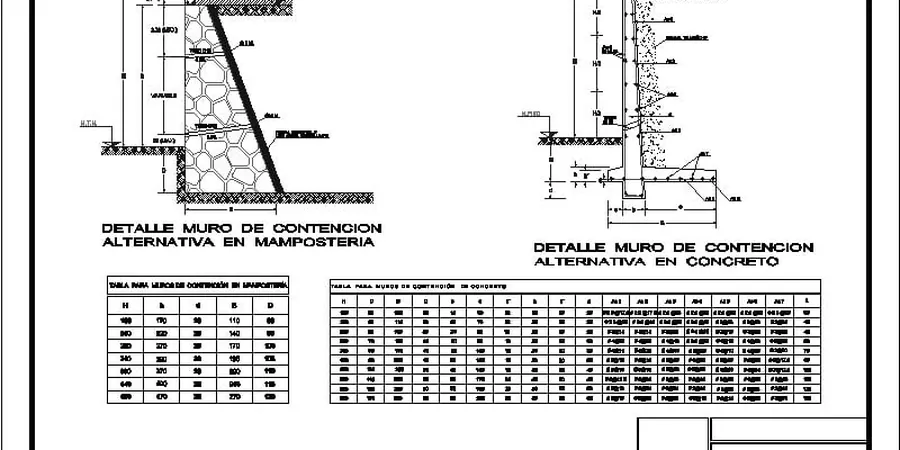
With over two million residents living just 80 feet above sea level, Houston's rapid development places extraordinary demands on its soil. The city's flat topography and network of bayous often require grade changes of six feet or more for residential slabs and commercial parking. A properly designed retaining wall in this environment isn't a luxury—it's a necessity when dealing with the Beaumont Formation's stiff, overconsolidated clays that swell dramatically with moisture. We routinely see walls that failed because someone treated Houston soil like inert material, underestimating the lateral pressures that develop after a summer of drought followed by a tropical storm. Our team approaches every project by first quantifying the active and at-rest earth pressures using site-specific data from laboratory consolidation tests, because generic assumptions simply don't hold up along the Gulf Coast.
Lateral earth pressures on a Houston retaining wall can double within 48 hours of a major storm if the drainage system wasn't designed for the actual permeability of the local clay.