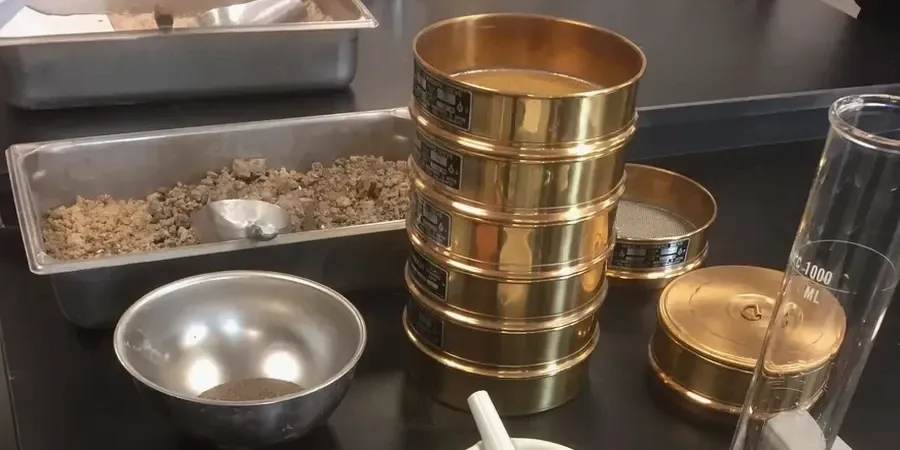
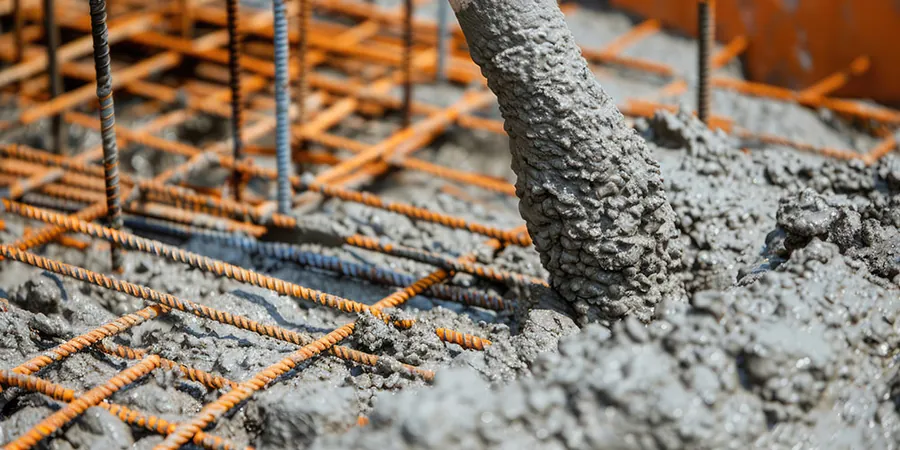
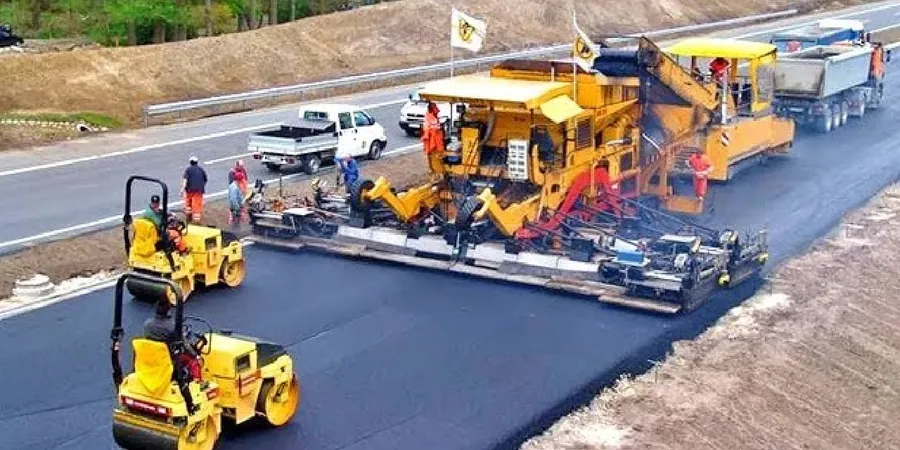
In the Houston area, what we see again and again is a pavement that looked fine after construction but develops alligator cracking within two or three summers because the subgrade wasn’t characterized for the shrink-swell cycles that define our coastal plain geology. Designing a flexible pavement here is less about the asphalt mix alone and more about building a structural section that bridges the seasonal volume changes in the Beaumont and Lissie formation clays while draining the frequent stormwater that sits on flat grades. When we run the AASHTO 93 layer analysis, we always cross-check the resilient modulus with site-specific CBR and R-value testing because generic county soil surveys rarely capture the lens of fat clay that may sit right beneath the proposed subgrade elevation. Many of the corridors we have worked on from Katy to Pasadena also benefit from a MASW survey to confirm shear-wave velocity and identify any loose alluvial pockets that would cause differential rutting under the 18-kip equivalent single-axle loads that dominate the I-10 and Beltway 8 corridors.
A Houston flexible pavement that ignores the soaked CBR of the subgrade is designing for the one week of drought, not the fifty-one weeks of moisture.