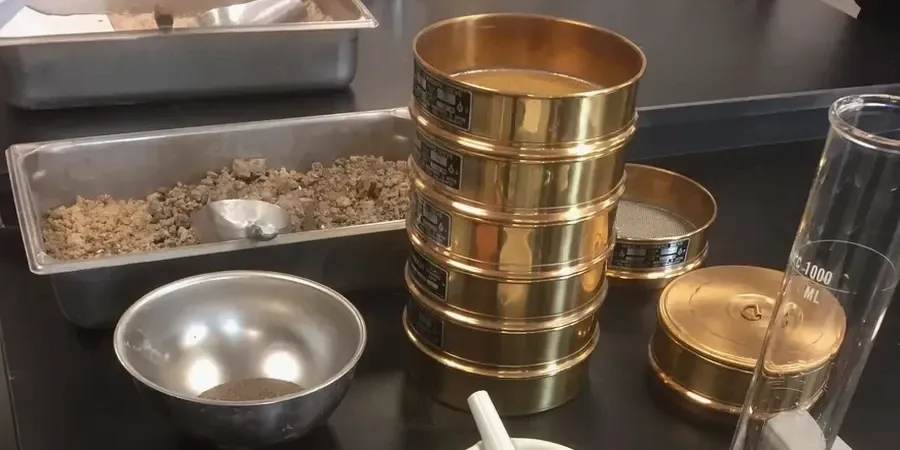
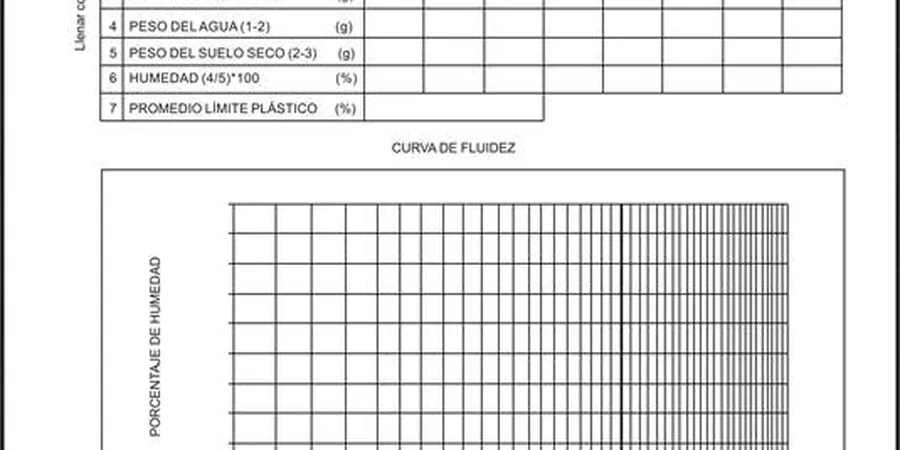
Drive from Katy to the Heights and you'll feel it—the soil changes. In Katy, you might see sandy loams that drain well, but move east toward Buffalo Bayou and you hit those dark, sticky Beaumont clays that gum up a backhoe bucket in minutes. Houston’s geology is a patchwork of Pleistocene terraces and recent alluvial deposits, which means the plasticity of the soil can shift drastically within a single project footprint. That’s where Atterberg limits testing becomes essential. Over the years, our lab has processed thousands of samples from sites across Harris County, from the Energy Corridor to Clear Lake, and the one constant is variability. Getting reliable liquid limit, plastic limit, and plasticity index values isn’t just about ASTM compliance—it’s about understanding how Houston’s clay will behave when the summer drought shrinks it to a brick, or when a tropical storm saturates it for a week. Before you commit to a foundation type, work with a lab that knows the difference between a 30-PI clay from Spring and a 60-PI fat clay from Montrose. And for sites where the clay strata is deeper, we often coordinate with SPT drilling to correlate Atterberg results with blow counts at depth.
In Houston, a plasticity index above 35 means you’re designing for movement—the only question is how much.