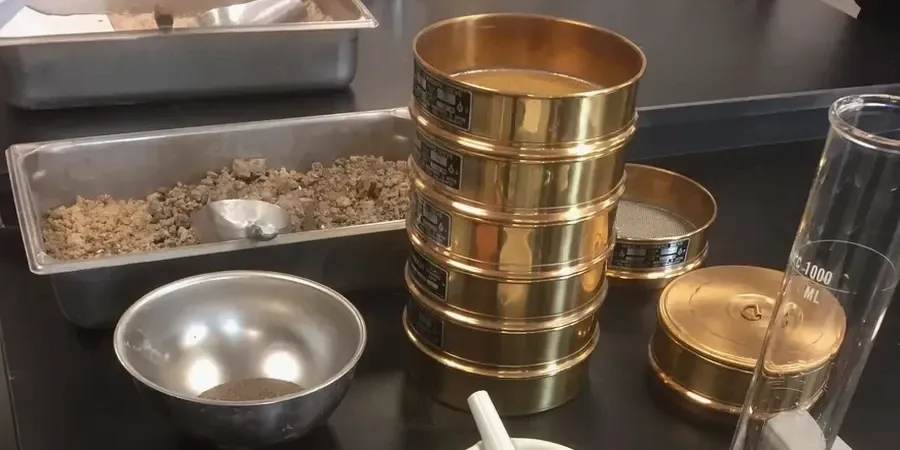
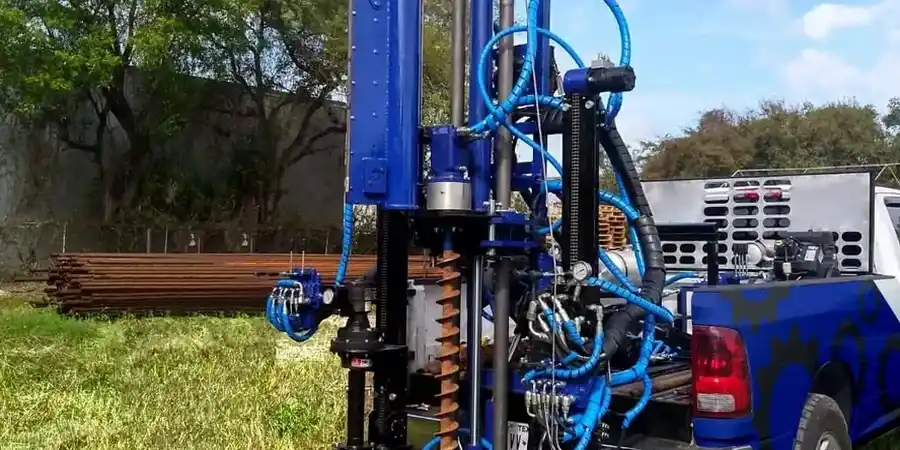
Houston's expansion across the Upper Gulf Coast has pushed construction deep into the Beaumont Formation and younger Quaternary floodplains, where geotechnical behavior shifts dramatically within a single site. The city's footprint now spans Pleistocene terraces west of downtown, compressible clays along Buffalo Bayou, and loose alluvial sands in the Energy Corridor—each demanding a different foundation approach. A properly executed Standard Penetration Test becomes the primary line of evidence for distinguishing these units. Our technical team runs SPT drilling campaigns from Katy to Baytown, combining ASTM D1586 hammer calibration records with laboratory index testing under ASTM D2487 to produce boring logs that hold up under Houston permitting review and IBC Chapter 18 requirements. For sites near the Addicks and Barker reservoirs, where seasonal saturation masks strength loss in fat clays, we pair SPT data with in-situ permeability testing to model drainage paths before excavation.
An uncorrected N-value of 8 in the Beaumont clay beneath a detention pond levee can drop to an energy-corrected N60 of 5—enough to change the stability factor of safety by 0.4.